

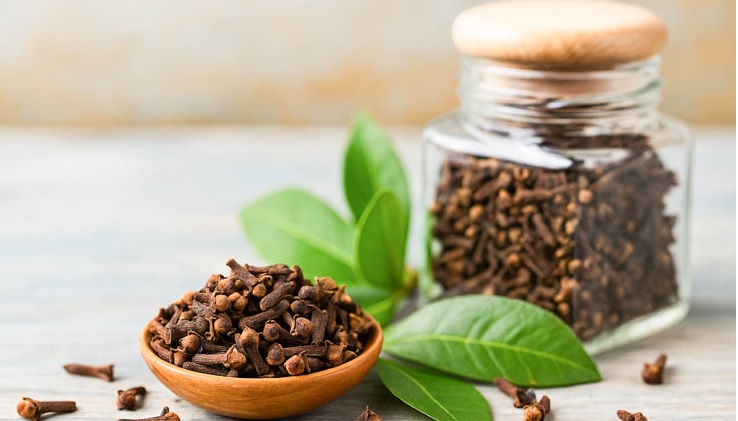
Finding a “clove plant” can mean two very different things depending on what exactly you are trying to grow, especially when dealing with a hot, arid climate.
1. The True Clove Tree (Syzygium aromaticum)
If you want to grow the actual tree that produces the hard cooking spice, you are looking at a massive horticultural challenge. These are ultra-tropical evergreens native to Indonesia that demand intense, year-round humidity and abundant rainfall.
-
The Climate Reality: In a dry, desert climate, the intense sun and lack of air moisture will prevent a true clove tree from surviving outdoors. To keep one alive, you would need a highly controlled, heavily humidified indoor greenhouse.
-
Where to find it: Local pépinières (nurseries) focus on drought-tolerant plants and will not stock tropical spice trees. Your only viable option is importing freshly harvested seeds from specialized international online vendors (like specialty seed banks or independent Etsy sellers), though you may have to navigate agricultural import restrictions to get them delivered.
2. Clove Pinks or Carnations (Dianthus / Qronfel)
Often, when people look for a “clove plant” locally, they are actually looking for Carnations. The local term Qronfel is famously used to describe both the spice and this beautiful flower!
-
The Climate Reality: Unlike the tropical tree, Dianthus flowers are incredibly hardy, love full sun, and tolerate hot, dry conditions beautifully. The best part is that their blooms smell exactly like the true cooking spice.
-
Where to find it: You can easily pick up potted Qronfel plants or inexpensive seed packets at almost any local pépinière or agricultural supply shop around town.
Are you looking to eventually harvest the actual cooking spice, or were you hoping to add the fragrant flowers to a garden or balcony??





Leave a Reply